Surgical oncology
In the surgical oncology department, we care for a large number of patients with cancer, a pre-stage of cancer or a higher risk of cancer due to a genetic predisposition. Together with you, we look for the optimal treatment that suits you. In addition to removing a tumor in the most optimal way, preservation of function and quality of life play an important role. Surgery is often an important part of your treatment. Through surgery, cancer can be prevented or cured, or we can increase the chance of a cure or relieve your symptoms.
In addition to the best possible care for today's patients, we strive to further improve care for the patients of the future. That is why we do a lot of scientific research. This research partly takes place in our laboratory, but we also do a lot of research with patients.
What do we do for you?
Surgery is often the basis of the treatment. Sometimes in combination with systemic therapy (chemotherapy, targeted therapy, immunotherapy or hormone therapy) or with radiation (radiotherapy). For all treatments in which surgery is central, the surgeon is your main practitioner and point of contact.
Sometimes systemic therapy and/or radiation (radiotherapy) is so effective that a smaller operation may be sufficient, or we can even omit the operation altogether. In that case, too, the surgeon usually remains your main practitioner.
Scientific research
We may ask you to participate in scientific research. This may be to study new forms of systemic therapy or radiotherapy, but we are also investigating new forms of surgery and the use of imaging during surgery.
Team
Our team consists of 19 surgeons. In addition, our surgical oncology department employs a varying number of fellows (young surgeons who delve deeper into part of surgical oncology) and doctors in training. In caring for our patients, we are supported by nurses and nursing specialists.
Because surgical treatments are often combined with chemotherapy, immunotherapy or radiation, our surgeons work closely together in a multidisciplinary team.
Surgeons
-
Alexander Veenhof
Surgeon -
Anke Kuijpers
Surgeon -
Anne den Hartog
Surgeon -
Arend Aalbers
Surgeon -
Brechtje Grotenhuis
Surgeon -
Caroline Drukker
Surgeon -
Frederieke van Duijnhoven
Surgeon -
Hester Oldenburg
Surgeon -
Iris van der Ploeg
Surgeon -
Johanna van Sandick
Surgeon -
Koen Hartemink
Surgeon -
Koert Kuhlmann
Surgeon -
Marie-Jeanne Vrancken Peeters
Surgeon -
Niels Kok
Surgeon -
Quirijn Tummers
Surgeon -
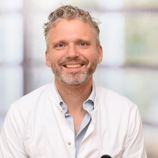
Winan van Houdt
Surgeon -
Yvonne Schrage
Surgeon
Nurse specialists
Fellows
We are here for...
- Patients with a form of cancer that we can cure with surgery;
- Patients with a form of cancer that we can cure with a multidisciplinary treatment of which surgery is a part;
- Patients who opt for multidisciplinary organ-sparing treatment, such as in breast cancer, esophageal cancer and rectal cancer;
- Patients who choose to participate in a scientific study instead of standard treatment;
- Patients with rare tumors;
- Patients with secondary cancer; (developed as a result of treatment of previous cancer);
- Patients with one or more metastases, in whom the surgical removal of these metastases still has a chance of long-term survival or recovery;
- Patients with metastatic cancer or late effects of cancer treatment where we can improve quality of life with surgery
- Patients genetically predisposed to a high risk of cancer, for example, preventive breast surgery;
- Second opinions. These can be requested by doctors from other hospitals, but also by patients themselves or through the general practitioner;
- Complex operative treatments that require expertise from specialized teams. This can involve very extensive operations in which several organs have to be removed or, for example, operations for tumors in hard-to-reach places in the body.
Special areas of interest
→ Colorectal and liver surgery, including organ-sparing treatment, robotic surgery, extensive tumors, and metastases in the liver and peritoneum.
→ Esophageal and Gastric Surgery, Including Robotic Surgery
→ Sarcoma and melanoma surgery, including limb perfusion
→ Thoracic surgery (lung, lung, mediastinum), including robotic surgery
→ Surgery of neuroendocrine tumors
→ Thyroid and Adrenal Surgery
→ Rare cancer presentations, such as 'primary tumor unknown'
nl